
Remembering Boy Ecury
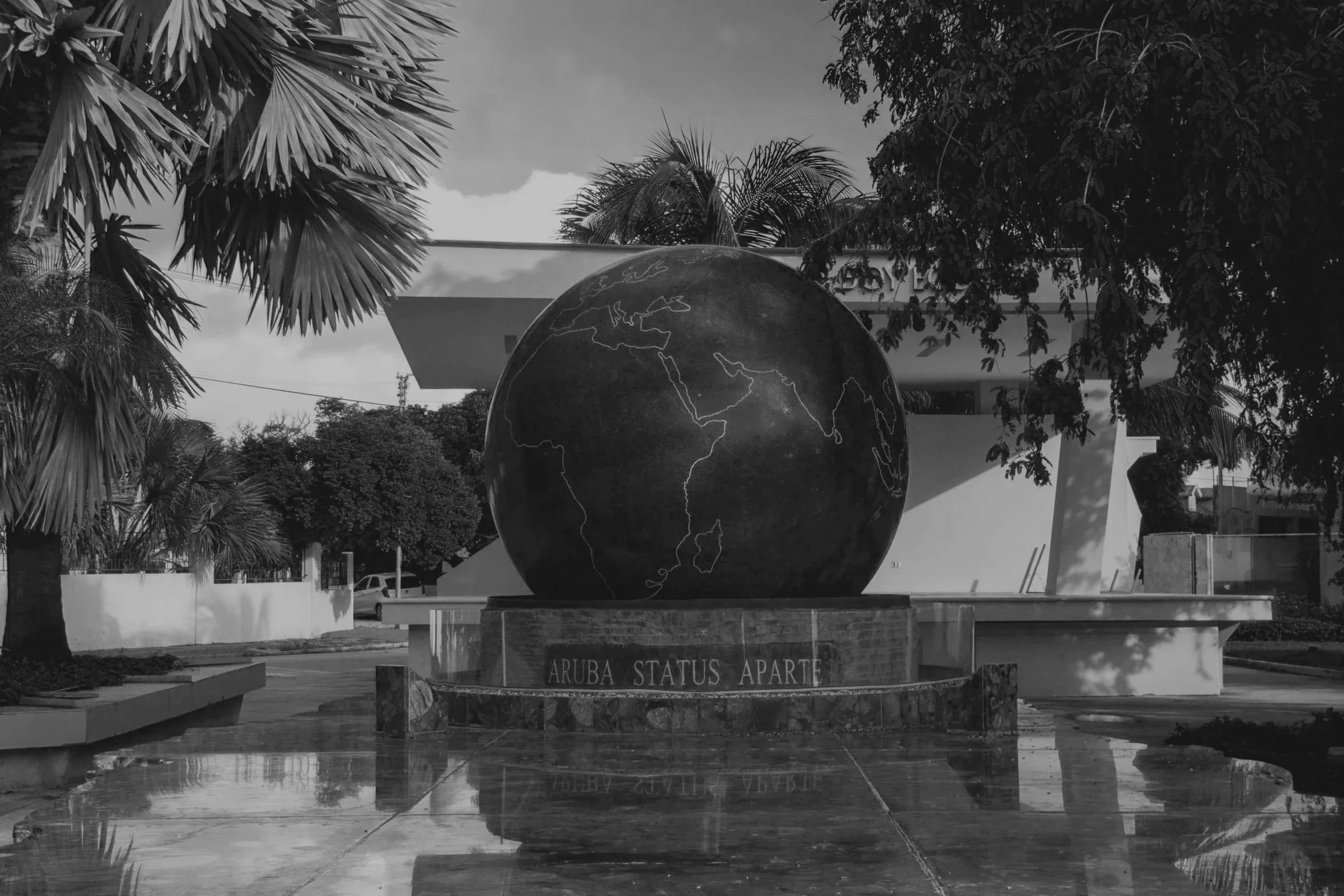
Our Monuments

Boy Ecury’s Life
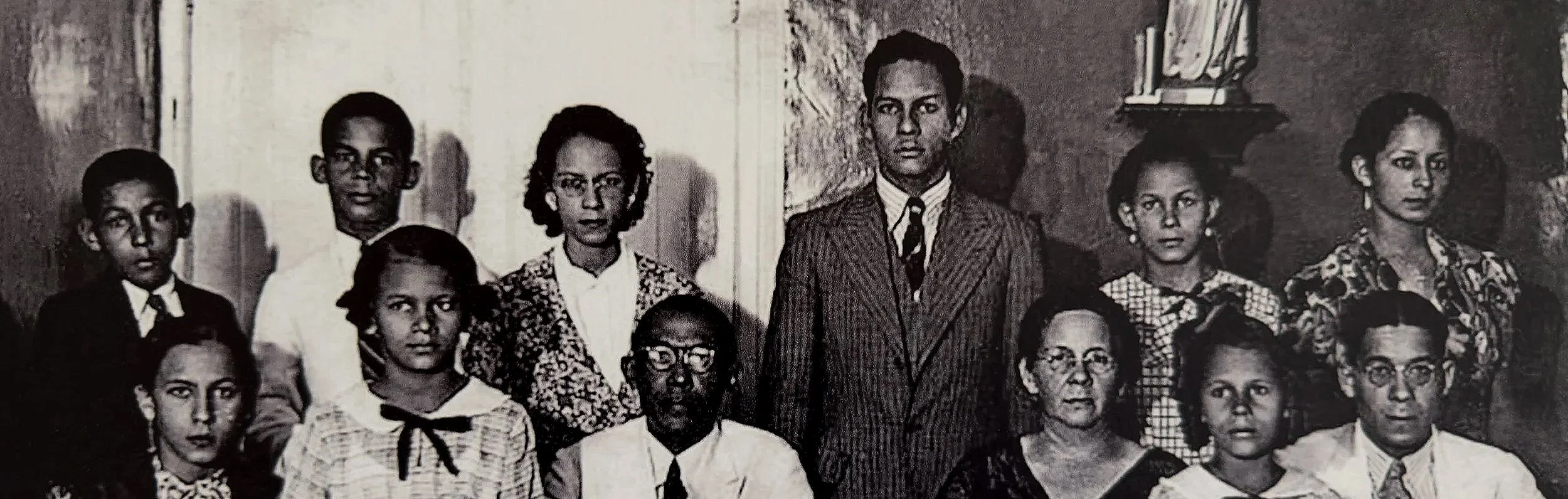
Boy Ecury’s life begins in Oranjestad, Aruba, where he was born on 23 April 1922 into a large Catholic family. His father, Dundun, was a respected businessman, and his mother, Anna, created a home that was both strict and warm, rooted in faith and community. Growing up as one of thirteen children meant that Boy was surrounded by siblings, stories and responsibilities from a young age. The family’s social and economic position also meant that education was highly valued, and his parents were determined to give their children opportunities beyond the island.
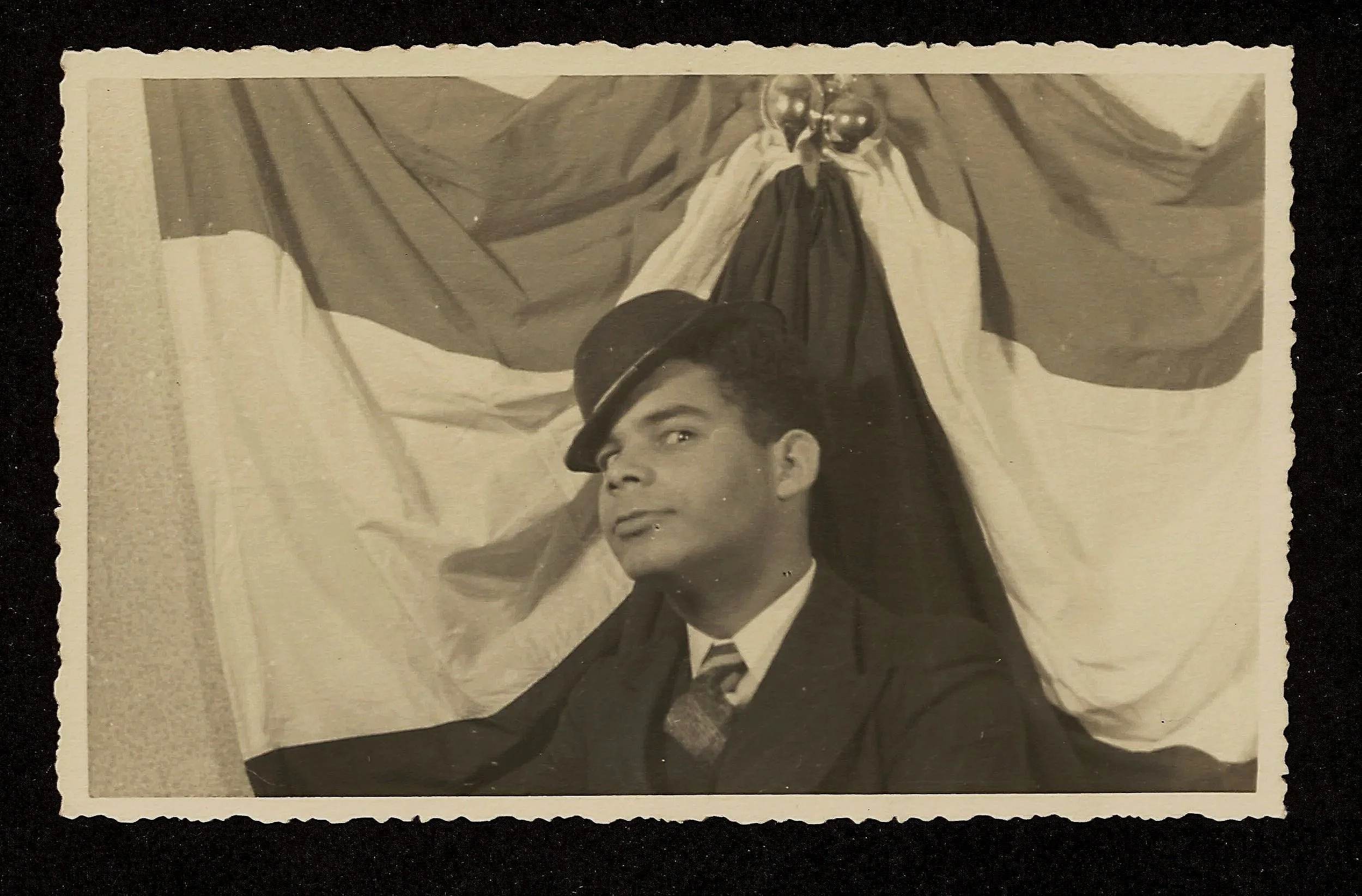
In 1937, at fifteen years old, Boy left Aruba together with a brother to study in the Netherlands. This journey, from a Caribbean port town to a European country, was a turning point. He attended the Brother of St. Louis school in Oudenbosch, where he earned a diploma in commerce and travelled throughout the Netherlands. As an Afro-Caribbean youth in a largely white society, he encountered forms of discrimination and prejudice that would leave a lasting impression. At the same time, he built friendships with other students, including fellow Antillean Luis de Lannoy, who would later introduce him to resistance circles.
When Germany invaded the Netherlands in May 1940, everyday life changed dramatically. The occupation brought fear, restrictions and violence, but it also created a space where moral choices became unavoidable. For Boy, returning to Aruba remained an option, yet he chose a different path. Alongside de Lannoy and others, he became involved in resistance activities. At first, this meant small forms of sabotage and support – making homemade firebombs, setting fire to German trucks and trains, transporting downed Allied pilots on bicycles disguised as farm boys and helping to hide civilians in safe houses and farms.
Over time, Boy moved between several resistance groups and took on increasingly daring tasks. In Tilburg, he helped print and distribute underground newspapers, undermining German propaganda and sharing information with the Dutch population. Later, he joined cells planning more complex sabotage operations, including attacks on trains and vehicles used by the occupying forces. His courage was not limited to covert action; he sometimes deliberately drew the attention of German soldiers in order to give others the chance to hide or escape. On certain occasions he even opened fire on collaborators, fully aware of the possible consequences.
Life as a resistance fighter meant living under constant threat. Boy used false names, moved between different addresses and safe farms, and often carried weapons or explosives. Letters written in Papiamento, his native language, allowed him and his companions to coordinate actions in a way that German censors and many locals could not easily understand. This mixture of quick thinking, cultural knowledge and personal bravery made him a valuable and respected member of the underground movement.
The danger became reality in late 1944, when parts of the resistance were betrayed by informant Kees Bitter. Boy was arrested in Rotterdam on 5 November 1944 by the Sicherheitsdienst, the Nazi security service. He was taken to the Oranjehotel prison in Scheveningen, where many political prisoners were held. There he was interrogated and tortured but refused to give information that could endanger others. On 6 November 1944, at the age of twenty-two, he was taken to the Waalsdorpervlakte, a dune area near The Hague known for executions, and shot by firing squad.
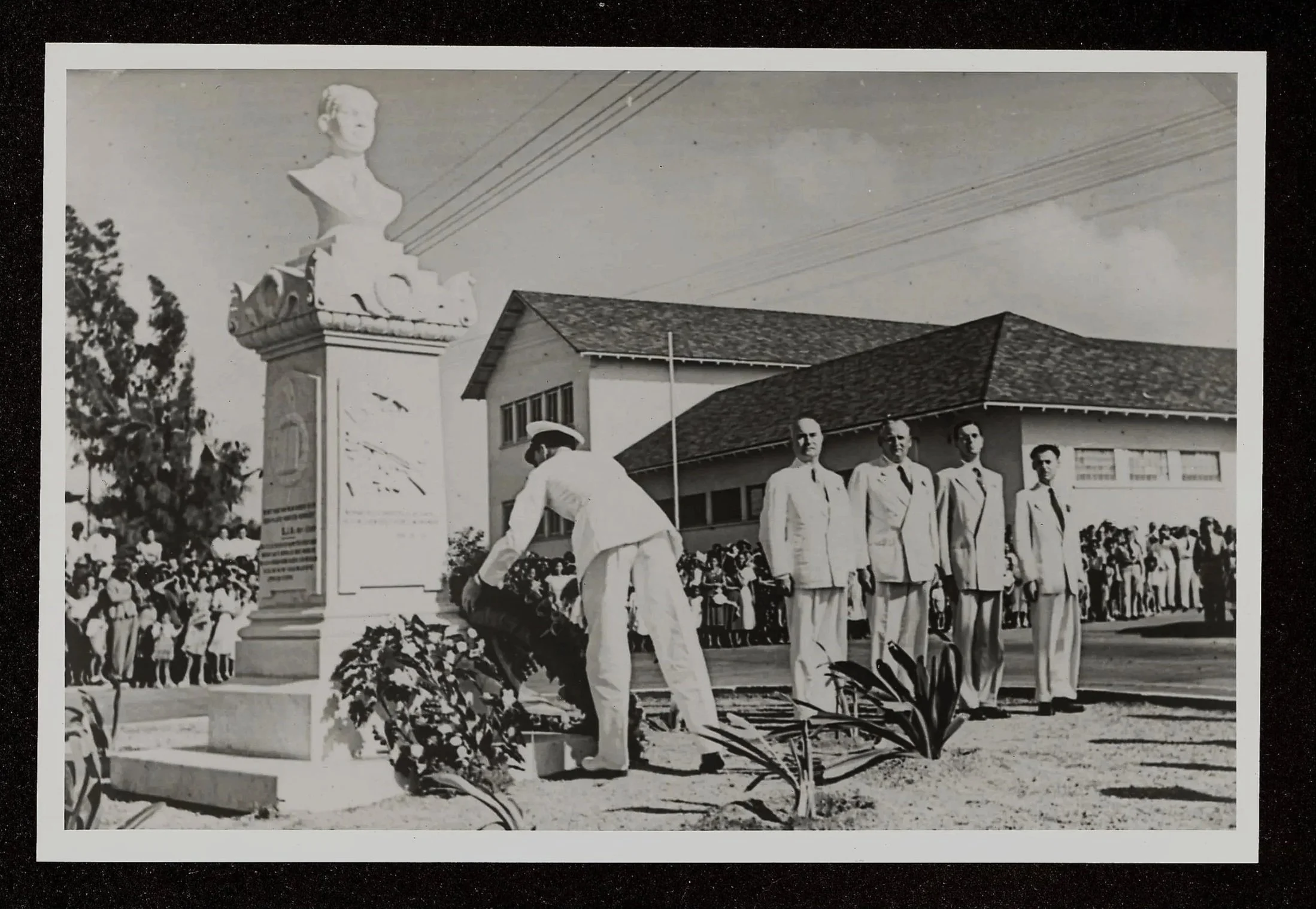
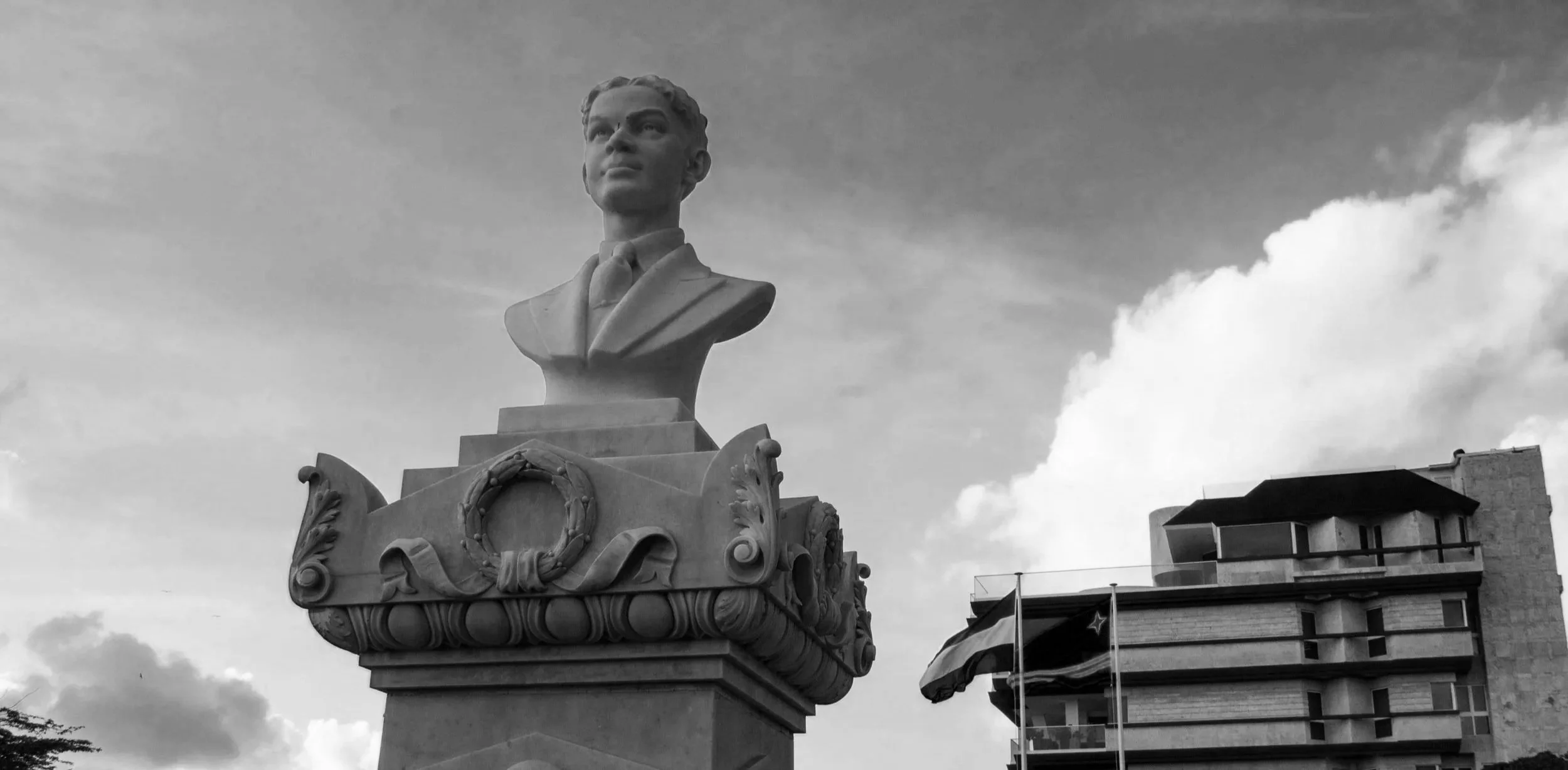
Boy’s story did not end there. In 1947, his remains were identified and returned to Aruba by his father. The funeral in Oranjestad was held with military honours, acknowledging his status not only as a son of Aruba but as a hero of the Dutch resistance. A bronze statue of Boy was erected in the town two years later and still stands as a central symbol of remembrance. The family home, Cas Ecury, was eventually transformed into the National Archaeological Museum, linking one family’s story to the broader narrative of Aruba’s past.
In 1984, the Dutch government awarded Boy Ecury the Resistance Heroes Commemorative Cross posthumously. His life has since been portrayed in books and in the 2003 film “Boy Ecury” by Frans Weisz, which follows his father’s search for his remains and recounts his resistance work through flashbacks. Today, streets, schools and cultural events in Aruba bear his name, and his story is taught in classrooms, referenced in art and shared with visitors through tours and exhibitions.
About Fundacion Parke Boy Ecury
Fundacion Parke Boy Ecury was created to ensure that Boy Ecury’s story, and the values it represents – remain visible and accessible for future generations. The foundation focuses on protecting and promoting the monuments linked to his life, encouraging research and education, and helping both locals and visitors understand how Aruba’s history connects to global events like the Second World War.
A central part of the foundation’s work is to support educational initiatives. Schools in Aruba increasingly include Boy’s story in their curricula, and the foundation aims to offer reliable information, materials and site-based experiences to make those lessons more vivid. Teachers can use the website and the physical locations as tools for discussing topics such as courage, moral choice, colonial relationships, migration and racism. In this way, Boy becomes more than just a historical figure; he becomes a starting point for conversations about society today.
The foundation also works with museums, tour operators, cultural organisations and artists. Through exhibitions at the National Archaeological Museum, guided walks through Oranjestad and Rancho, and events held at the statue and gravesite, Boy’s legacy is continually re-interpreted and shared. This collaboration helps ensure that information remains accurate while also allowing new perspectives, artistic responses and community voices to be included.
By maintaining this website, Fundacion Parke Boy Ecury offers a central, trustworthy source of information about Boy’s life, the monuments associated with him and practical ways to visit those sites. The goal is to make it simple for someone searching online – whether they are planning a trip to Aruba, preparing a school project or conducting research on the Dutch resistance – to find clear, well-structured and respectful information. Ultimately, the foundation’s work is dedicated to honouring a young Aruban who chose to resist injustice, and to using his story to inspire reflection on freedom and human dignity today.