Status Aparte Monument
Aruba Status Aparte Monument
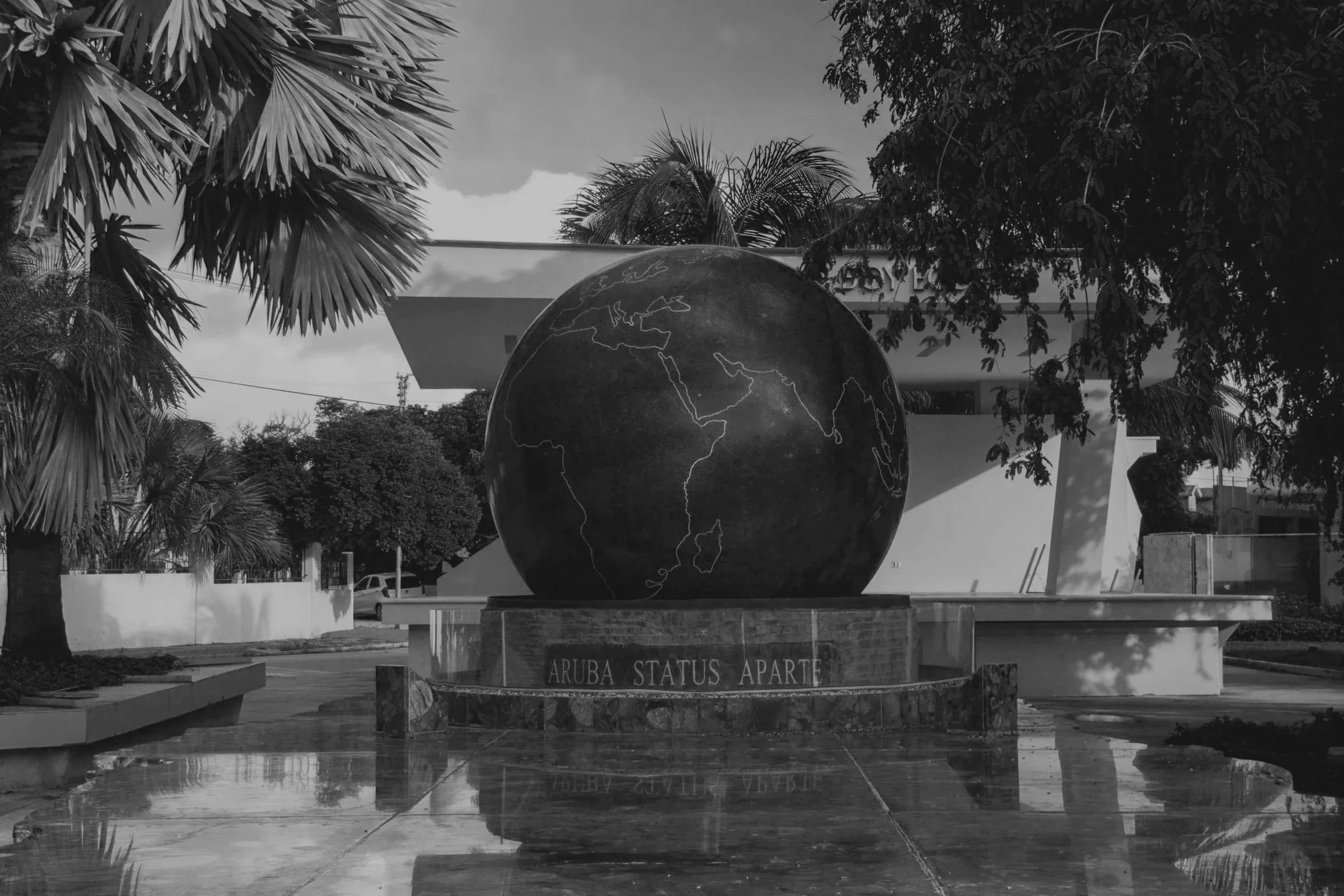
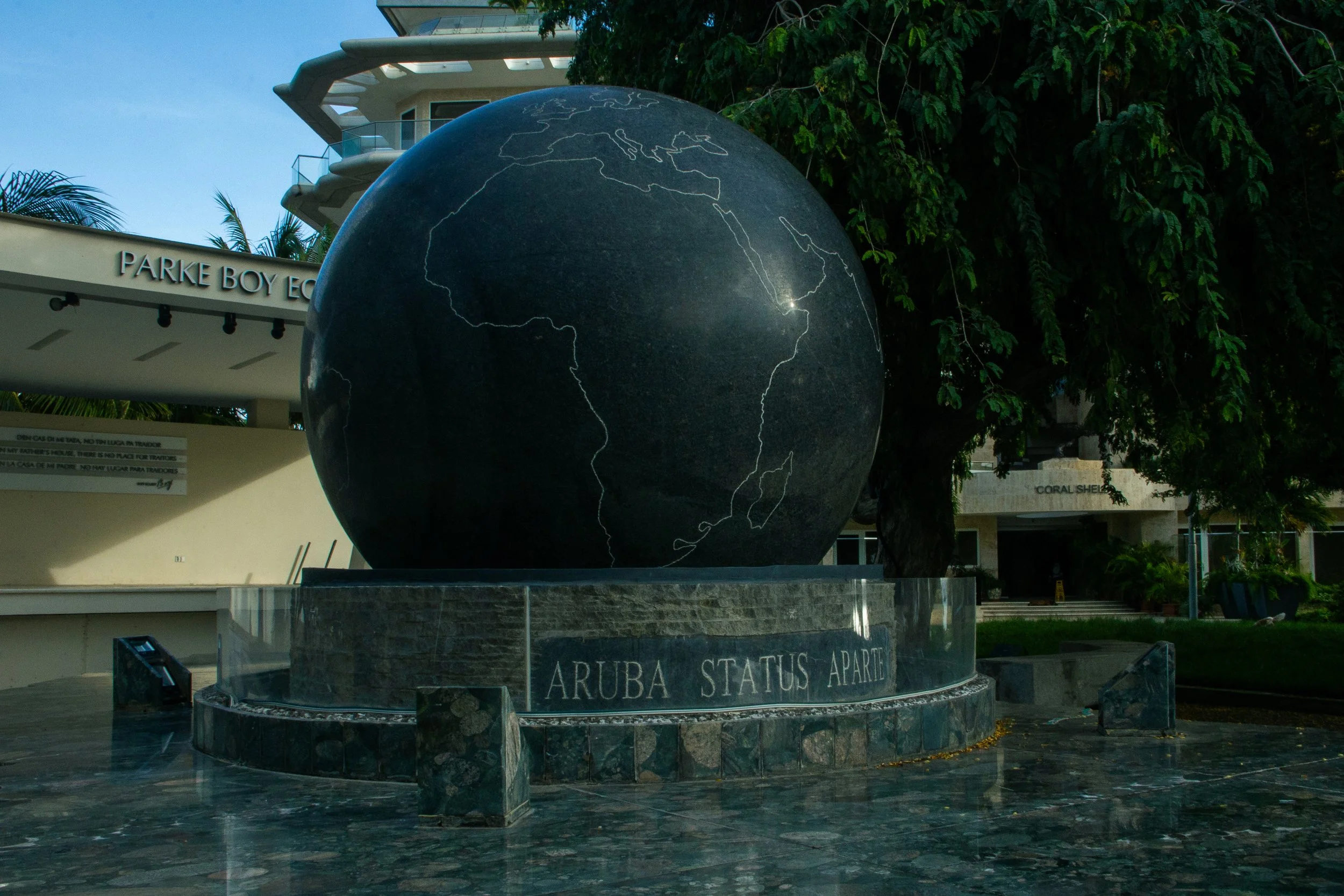
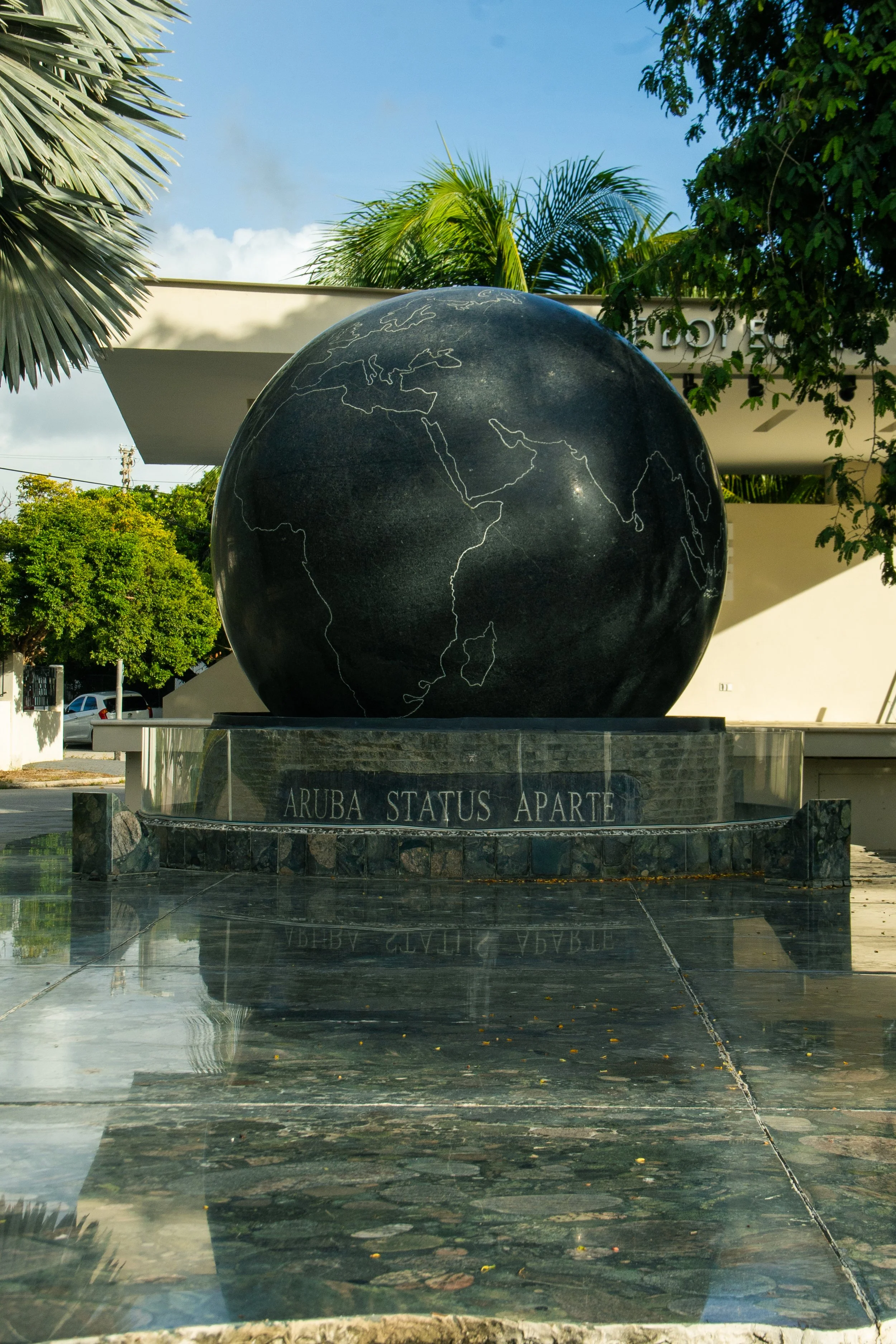
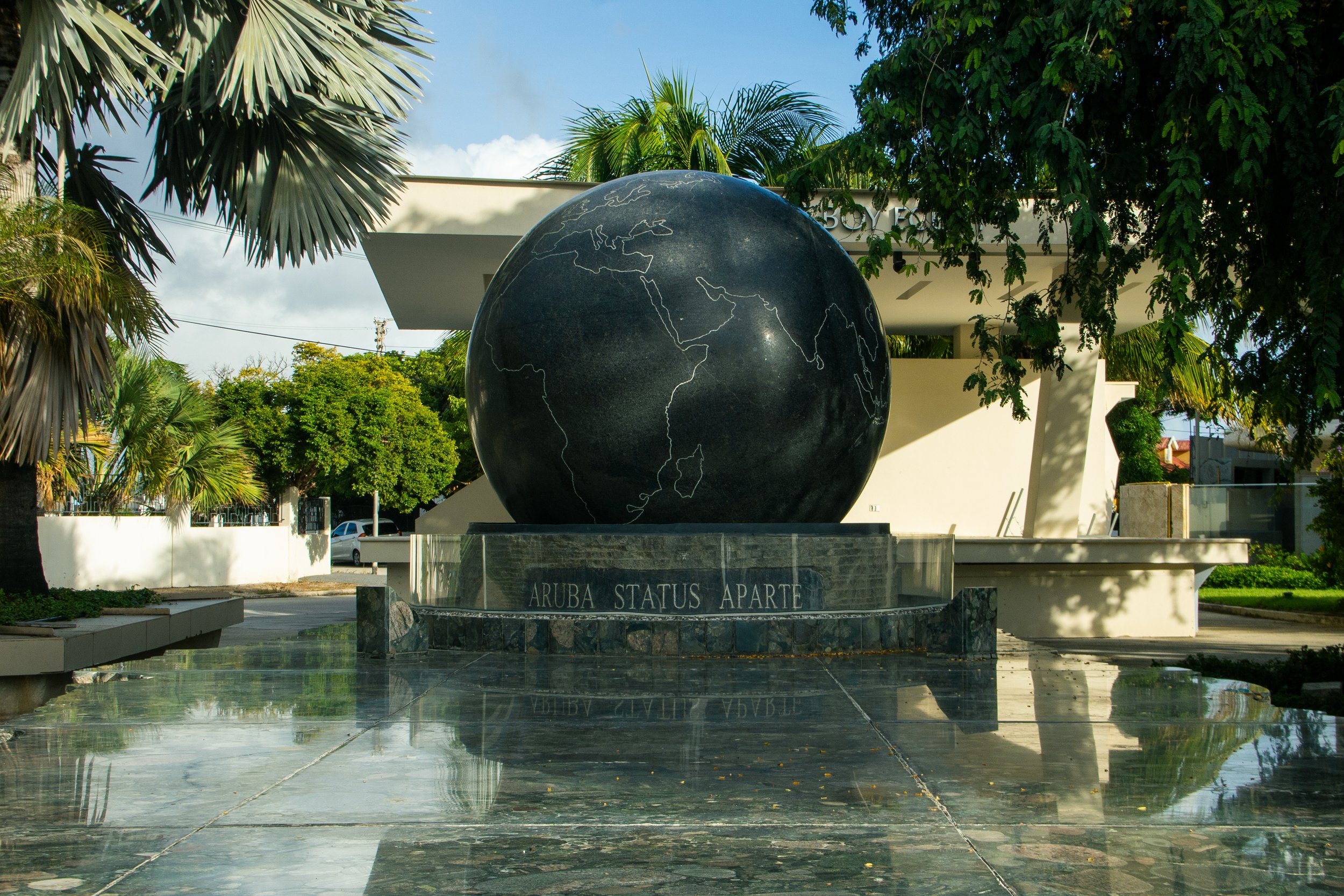
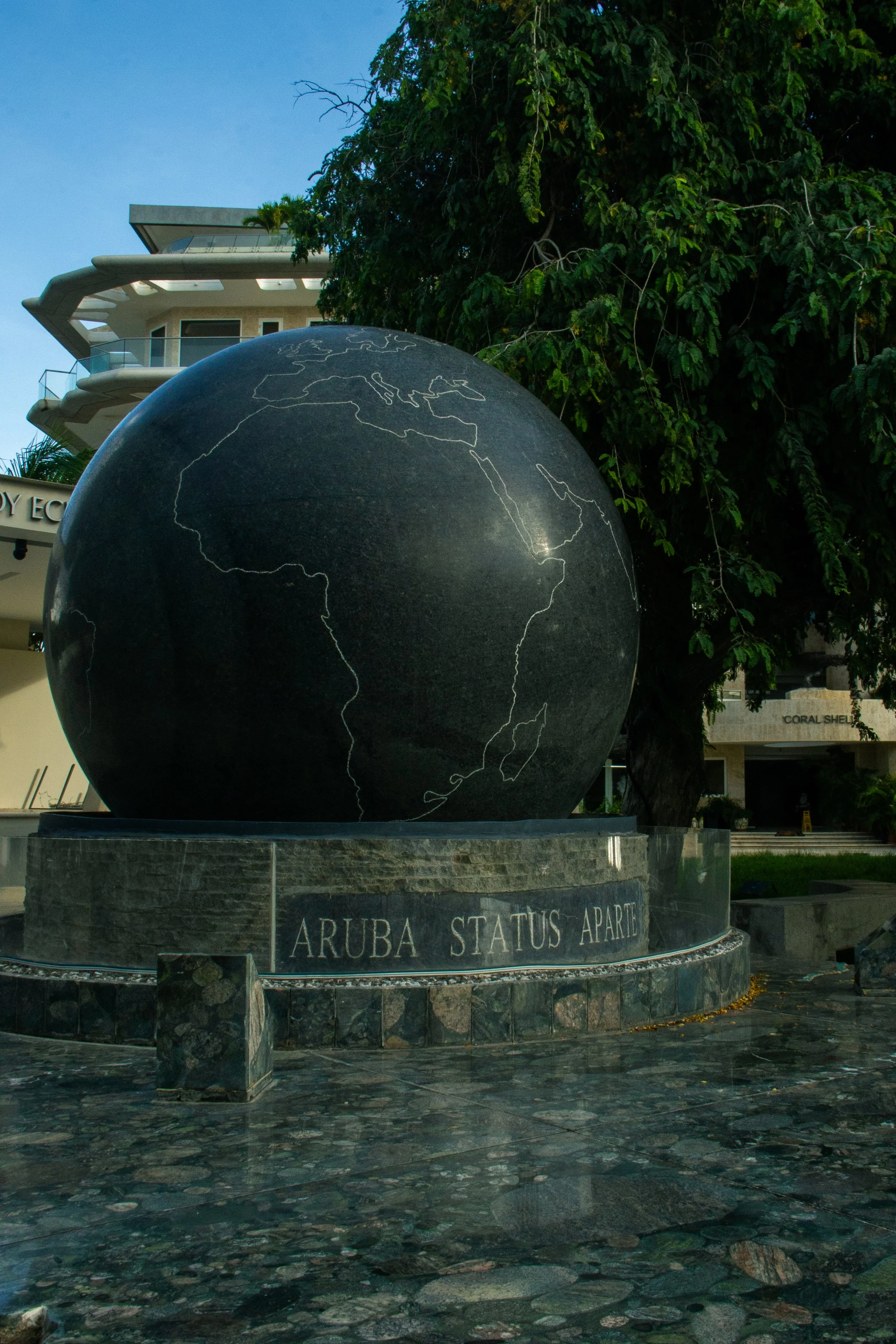
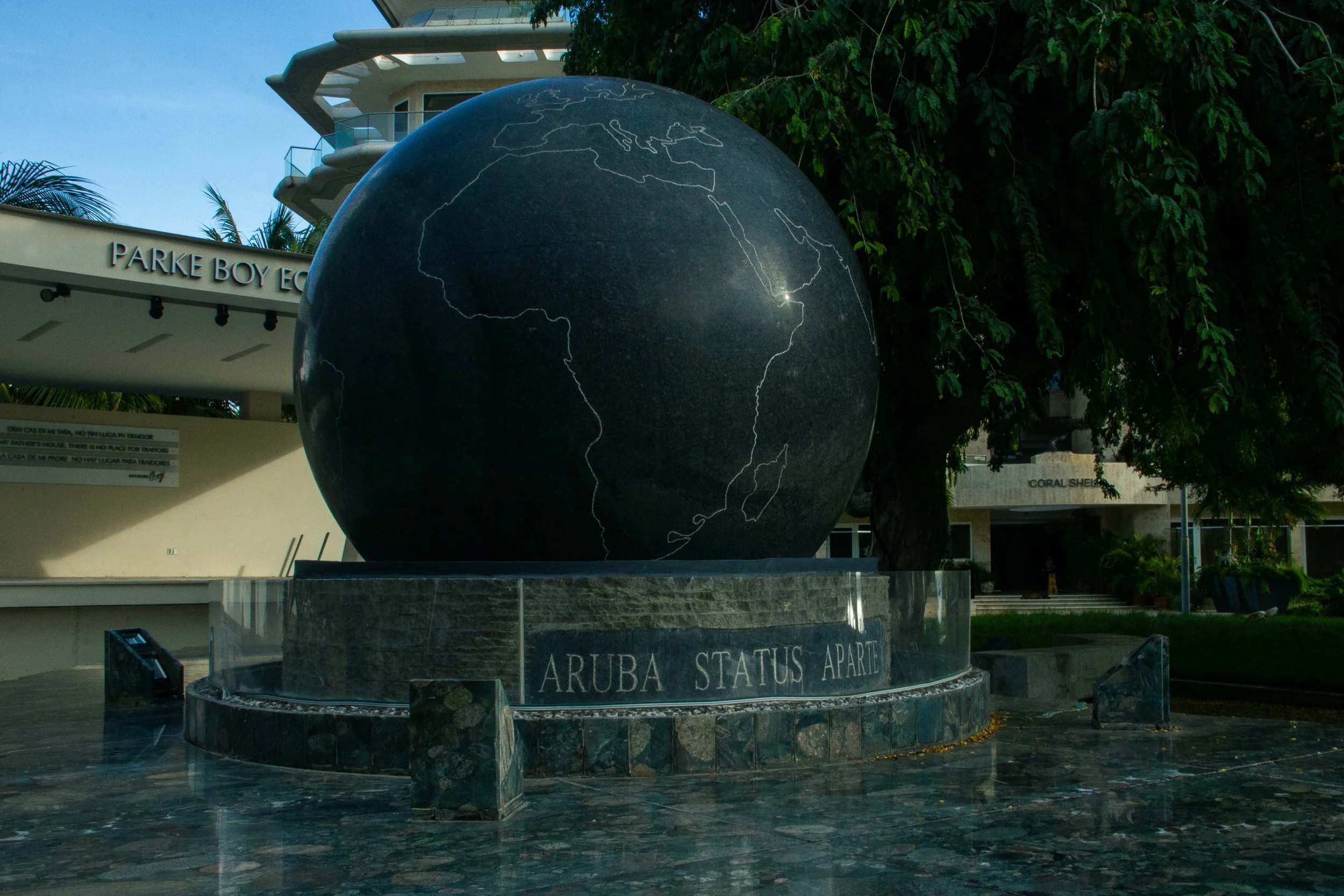
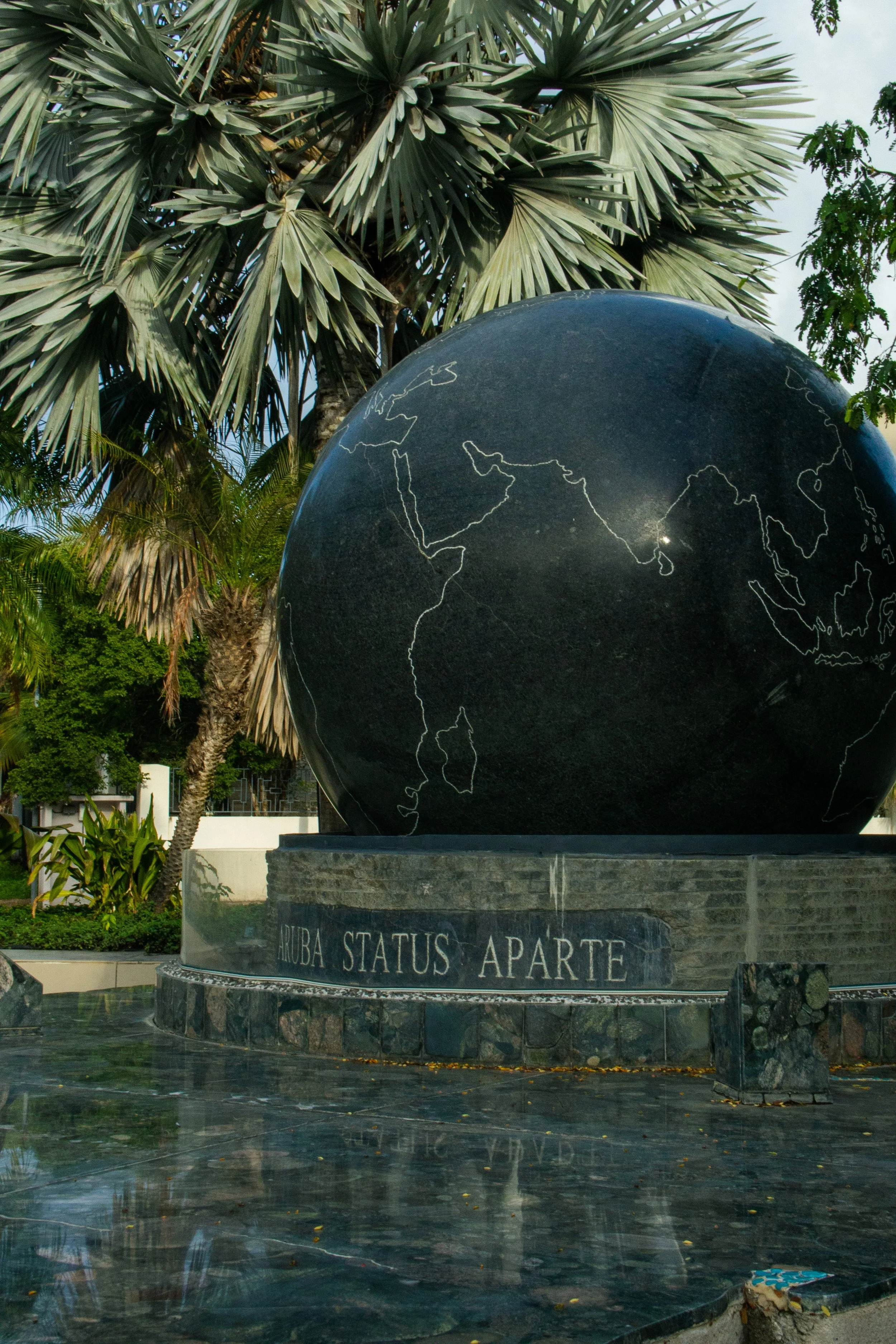
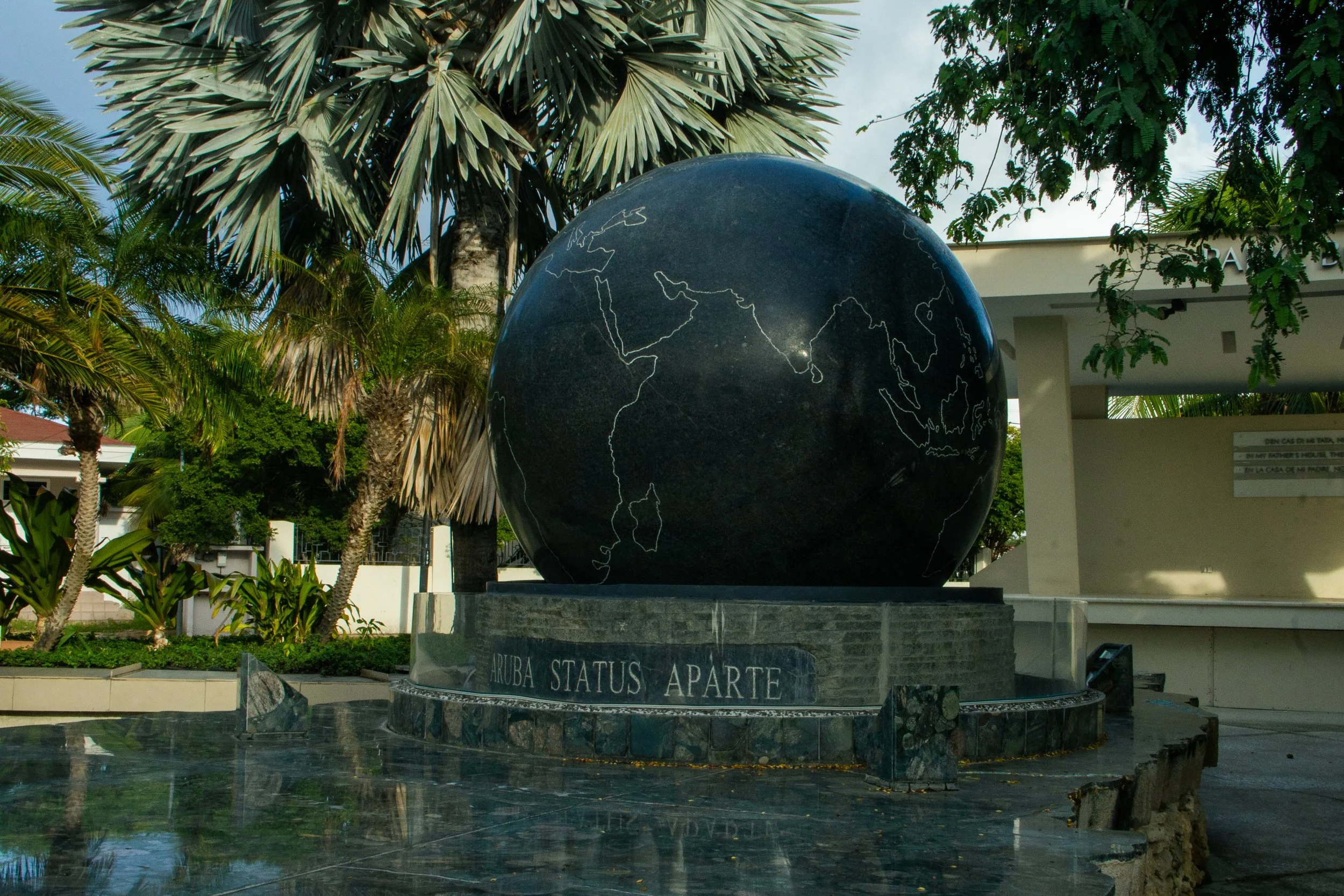
On January 1, 1986, Aruba was granted an autonomous country within the Kingdom of the Netherlands, known as "Status Aparte." This made Aruba an independent state within the Kingdom, separated from the rest of the Netherlands Antilles, which at the time consisted of Bonaire, Curaçao, Saba, Sint Eustatius, and Sint Maarten. This made Aruba the third country within the Kingdom, alongside the Netherlands and the Netherlands Antilles (which at the time still existed). The Aruban parliament has twentyone (21) seats, elected by eligible voters for a four-year term. This Legislature oversees the policy of the Council of Ministers, which consists of a maximum of nine ministers, including the Prime Minister. The Governor, appointed by the King of the Netherlands, represents the King as head of government of Aruba and is responsible for the general interests of the Kingdom. Their appointment is for a term of six (6) years, but no longer than twelve (12) years. The monumental granite globe, engraved with a “ Mappa Mundi”, sits on top of a granite base in the shape of Aruba. This monument stands as a potent symbol of the island’s self-determination and freedom, while accentuating the necessary global relations to be able to live in harmony and prosperity.
Our Monuments